


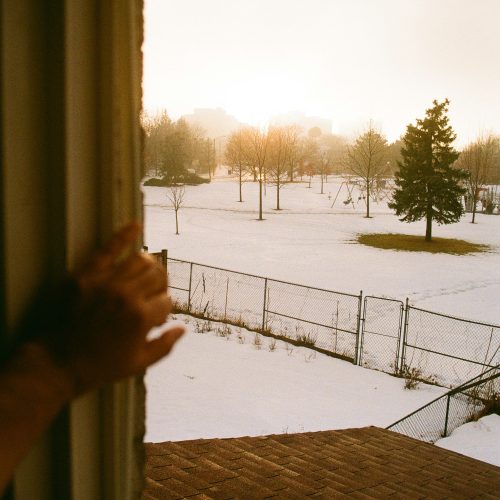
As the seasons change, so can our mood. For many people, shorter days and colder weather bring a dip in energy or motivation. But for others, these changes can have a much deeper impact. Seasonal Affective Disorder (SAD) is a form of depression that follows a seasonal pattern, the most common emerging in the fall and winter months. Some people experience symptoms in the spring or summer, although it is less common.
SAD can look different for everyone, but common symptoms include:
- Persistent low mood or sadness
- Loss of interest in activities once enjoyed
- Low energy or fatigue
- Difficulty concentrating
- Changes in sleep (often sleeping more)
- Changes in appetite or cravings (especially carbohydrates)
- Feelings of hopelessness or worthlessness
- Social withdrawal or wanting to “hibernate”
Why does SAD happen?
There isn’t a single cause to why SAD happens but there are several factors that are believed to contribute such as:
- Reduced sunlight can disrupt your body’s internal clock
- Lower serotonin levels, which affect mood regulation
- Changes in melatonin, impacting sleep and energy levels
- Lifestyle shifts, such as less outdoor activity and social connection in colder months
SAD doesn’t just impact mood- it can affect work performance, relationships, motivation, and self-esteem. Many people feel frustrated or guilty for “not handling winter better,” which can add another layer of emotional distress.
It’s important to remember: SAD is not a personal failure or a lack of resilience. It’s a mental health condition influenced by biology and environment. The good news is that SAD is highly treatable. Support and small changes can make a meaningful difference.
Helpful strategies may include:
- Light therapy (using a light box)
- Spending time outdoors during daylight hours
- Maintaining consistent sleep routines
- Gentle movement or exercise
- Nourishing, balanced meals
- Reducing isolation and increasing connection
- Counselling
Everyone’s experience is different, so finding the right combination of supports matters.
How Counselling Can Help
Therapy provides a safe space to explore how seasonal changes affect your mood, thoughts, and behaviours. A counsellor can help you:
- Develop coping strategies for low-energy periods
- Challenge negative thought patterns
- Build routines that support mental health year-round
- Prepare proactively for seasonal shifts
- Feel less alone in your experience
You don’t have to wait until things feel unbearable to seek support.
You’re Not Alone
If winter feels heavy, exhausting, or emotionally draining, you’re not imagining it—and you’re not alone. Seasonal Affective Disorder affects many people, even if it’s not always talked about openly. Support is available, and feeling better is possible. If you notice seasonal changes impacting your mental health, reaching out for professional support can be a powerful first step toward relief and balance.
We’re here for you through it all. To connect with one of our caring counsellors, reach out to us at [email protected]
